Article
The Midday Ban Is Over — The Heat and Flash Fire Risk Aren't
Saudi Arabia's 2026 midday work ban ended on 15 September, but heat and flash fire risks remain on site. Here's how to choose FR workwear your crews will actually wear correctly all shift.
The ban has ended, but the risk hasn't
On 15 September 2026, Saudi Arabia's Ministry of Human Resources and Social Development closed this year's ban on outdoor work under direct sunlight. From 15 June, private-sector sites paused outdoor work between 12:00 and 15:00 every day.
The results were encouraging. Inspectors made 29,945 visits nationwide and recorded a 95% compliance rate, with 1,771 violations documented. Employers across the Kingdom are clearly taking heat seriously.
But the calendar doesn't switch the heat off. In the Eastern Province, October afternoons still run hot, and in plants, refineries and workshops the heat never really leaves. For anyone working near flammable gases, hydrocarbons or electrical equipment, that heat meets a second hazard: flash fire and arc flash. This is where flame-resistant (FR) clothing does its job — as long as workers keep it on and wear it properly.
The real danger: shortcuts taken in the heat
FR clothing only protects the skin it covers. When garments feel heavy, stiff or hot, workers adapt — and those adaptations quietly remove the protection.
The shortcuts are familiar to every HSE team:
- Sleeves rolled up and collars left open, exposing arms and neck.
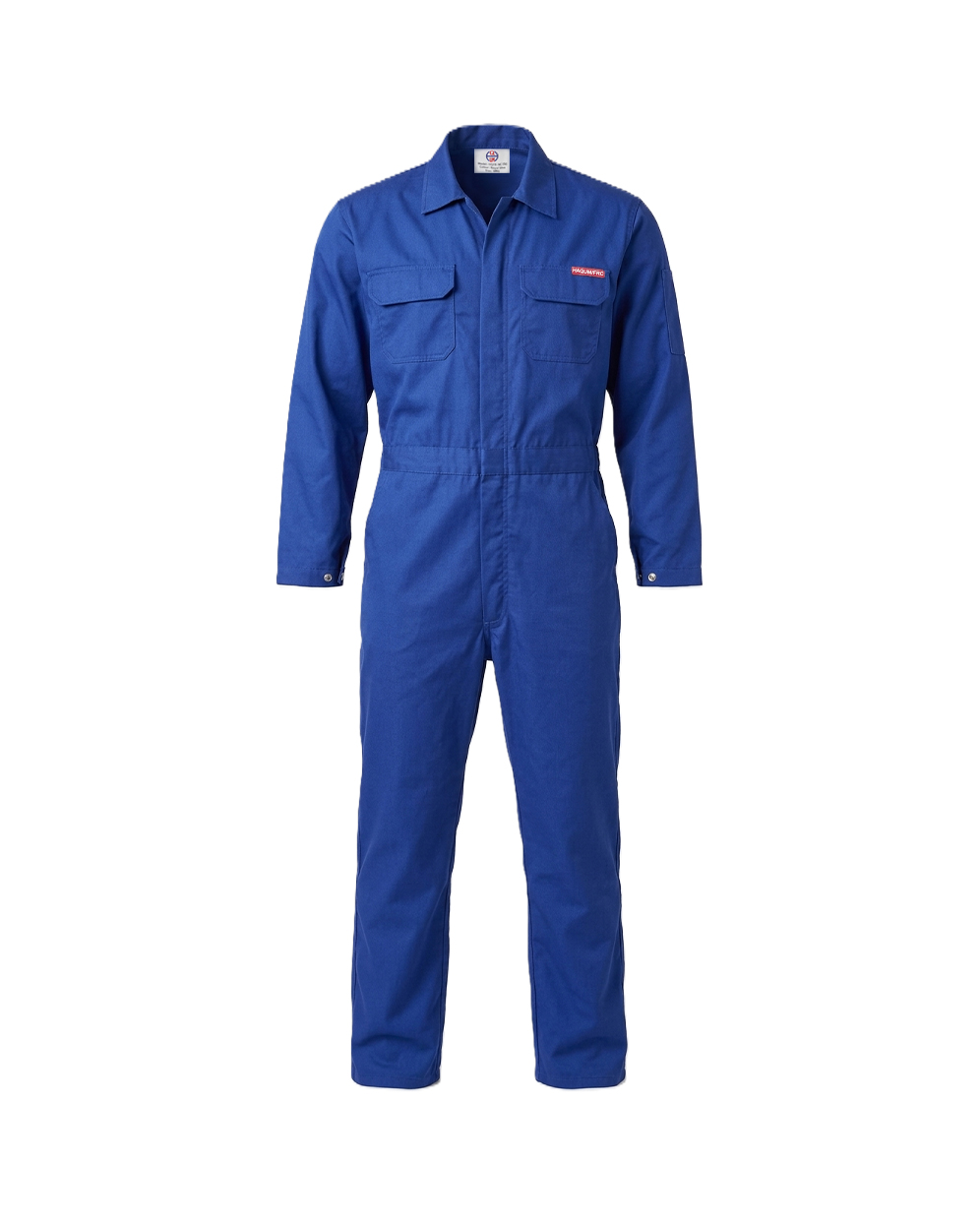
- Coveralls unzipped to the waist or tied around the hips.
- A cotton-polyester t-shirt or cooling vest worn over the FR layer.
- Synthetic undershirts that can melt onto skin in a flash fire.
None of these are signs of careless workers. They are signs of clothing that doesn't suit the climate. Safety specialists increasingly treat wearability as a risk-management issue, not a comfort extra: a worker who is less encumbered is more likely to stay compliant and less likely to make fatigue-related mistakes.
What to look for in FR workwear for Saudi conditions
The right garment meets the hazard standard and is light enough to wear correctly for a full shift. Five factors make the difference.
- The right certification for the hazard. Match the label to the risk on site: NFPA 2112 for flash fire, ISO 11612 for heat and flame, and an arc rating (ATPV or EBT, tested to IEC 61482-2 or ASTM F1959) where electrical work is involved. More protection than the task needs usually means more weight and more heat.
- Fabric weight. Lighter FR fabrics now reach protection levels that once required heavier cloth. For shirts and everyday workwear, choose the lightest fabric that still meets your required rating.
- Breathability and moisture management. Fabrics that let sweat evaporate help the body cool itself. Look for moisture-wicking finishes and fibre blends designed for airflow.
- Inherent vs. treated FR. Inherently flame-resistant fibres keep their protection for the life of the garment. Treated fabrics can perform well too, but rely on correct laundering to stay effective.
- Fit and design. A garment that is too tight traps heat and restricts movement; one that is too loose can snag. Features such as vented backs, underarm gussets and light colours all help in direct sun.
Layering in the heat: three simple rules
What workers wear under and over their FR clothing matters as much as the garment itself.
- Under FR: FR or natural fibres only. Polyester, nylon and other synthetic base layers can melt and stick to skin. Choose an FR base layer or 100% cotton.
- Over FR: never non-FR. A non-FR jacket, vest or t-shirt on top can ignite and keep burning, defeating the protection underneath. Cooling vests and outer layers must be FR-rated too.
- Keep it closed. Sleeves down, cuffs and collars fastened, shirts tucked in. Protection depends on full coverage.
Lighter, cooler FR garments make all three rules easier to follow — which is why fabric choice and heat-stress prevention belong in the same conversation.
A quick checklist for HSE managers
Use the end of summer to review your FR programme before next season.
- Does each role's FR clothing match its actual hazard assessment (flash fire, arc flash, molten metal)?
- Are garments the lightest weight that still meets the required rating?
- Have you asked workers which garments they find too hot — and watched for rolled sleeves or open coveralls?
- Are base layers and cooling accessories FR-rated or 100% cotton?
- Are FR garments laundered and inspected according to the manufacturer's instructions?
- Are damaged or contaminated garments removed from service?
- Does your heat-stress plan (hydration, rest breaks, WBGT monitoring, acclimatisation) run alongside your PPE plan?
Protection workers will actually wear
The best FR garment is the one that stays on, fully closed, from the start of the shift to the end. In Saudi Arabia's climate, that means choosing protection built for heat as well as for fire.
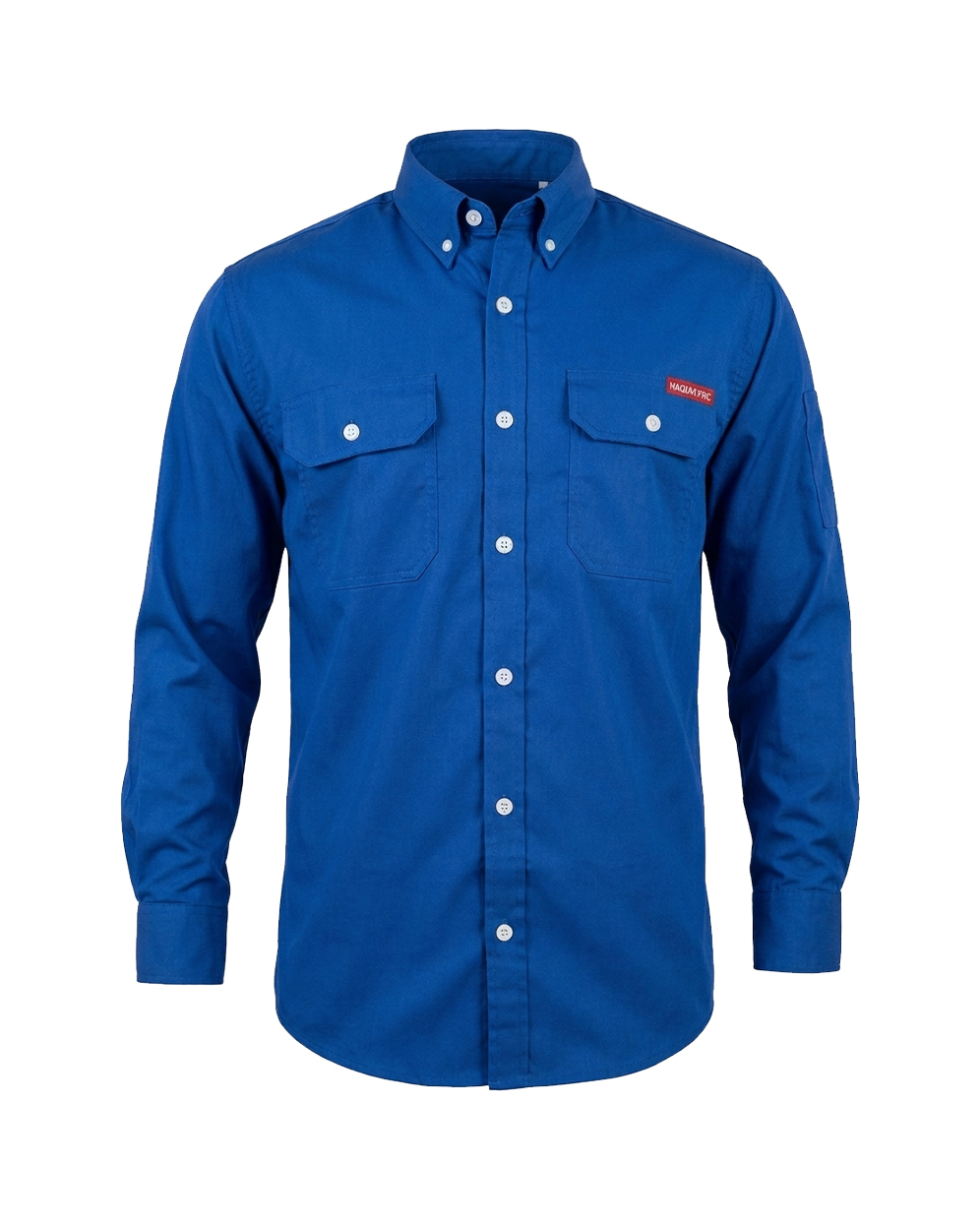
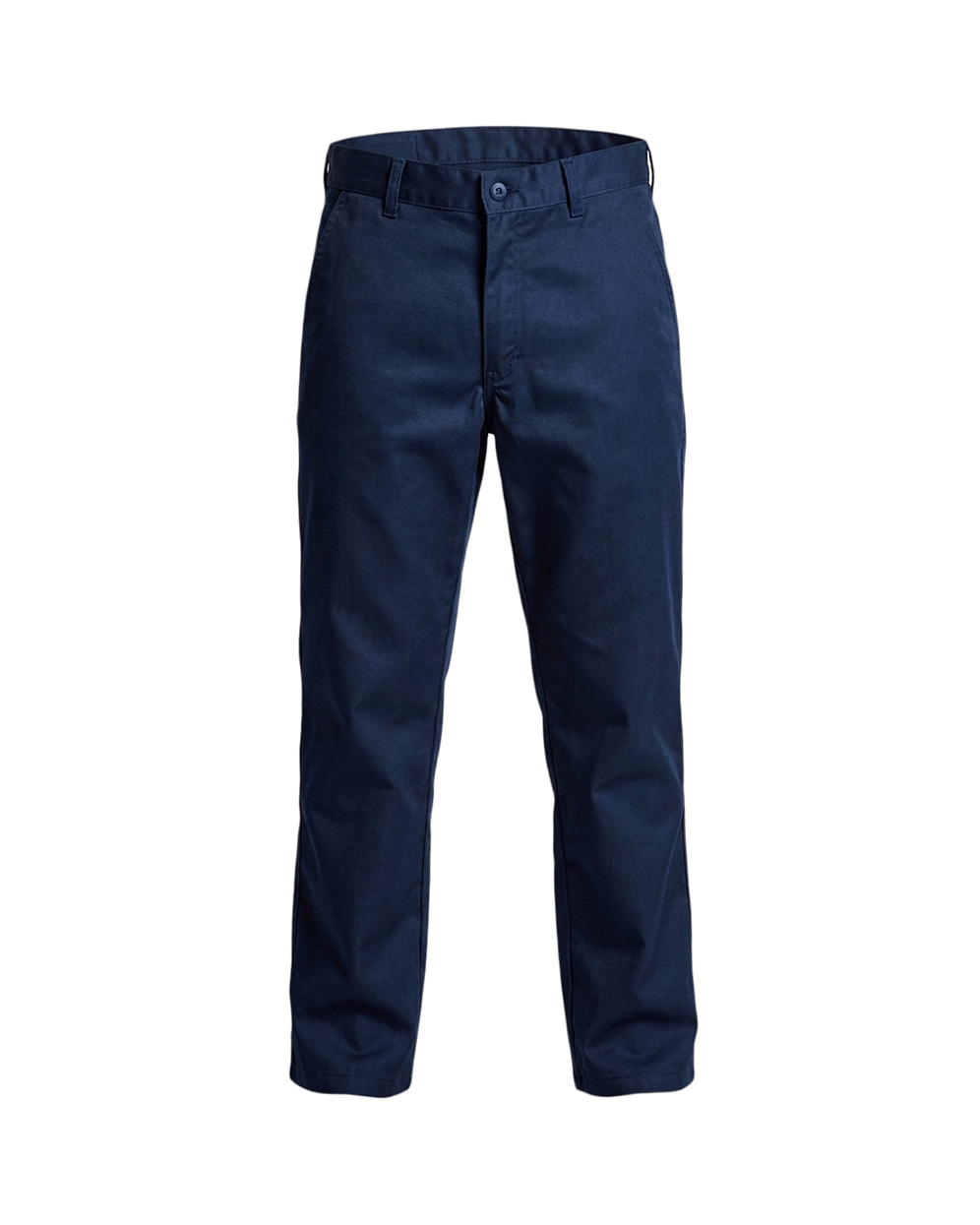
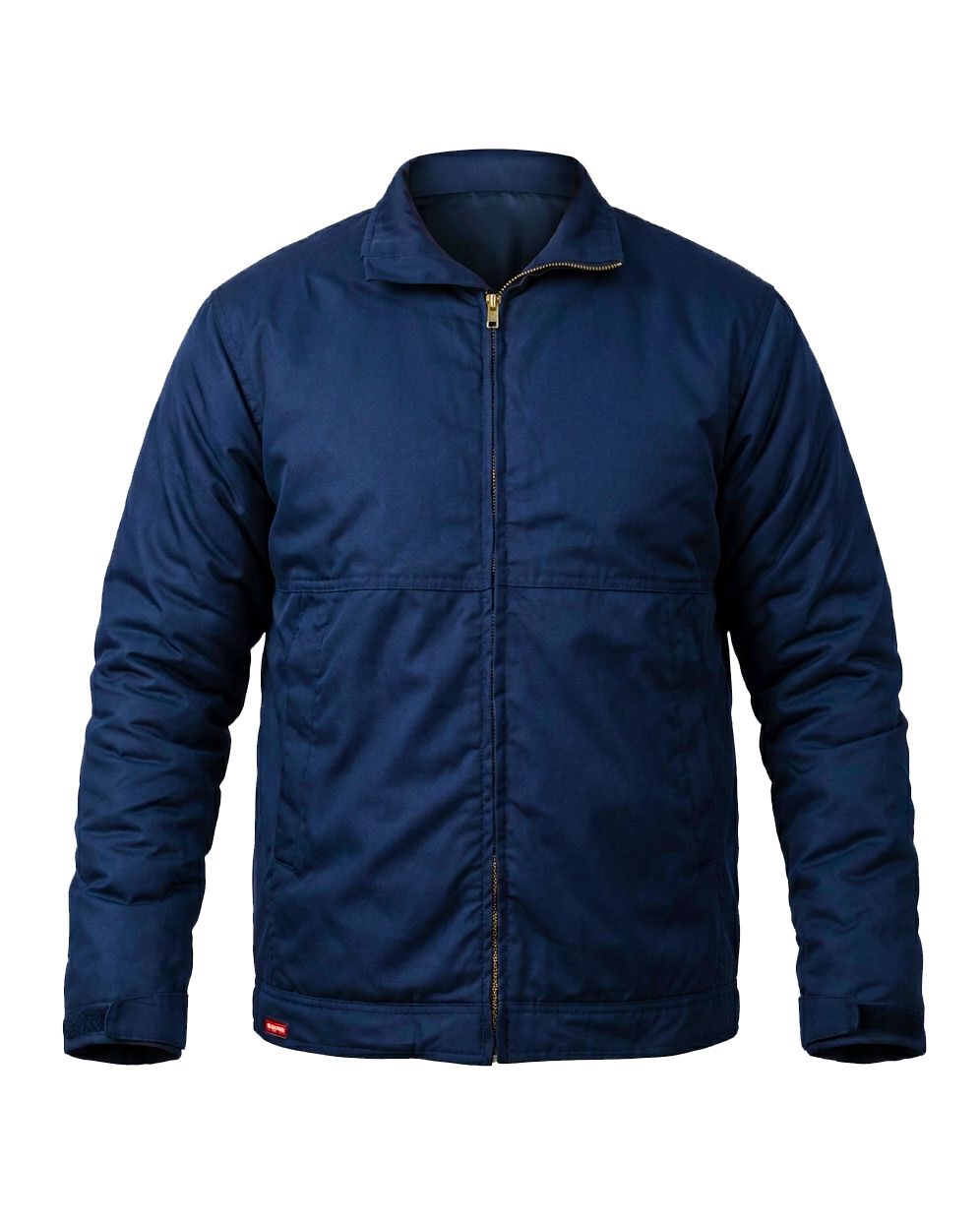
The HAQUM FR range is designed with these conditions in mind, from lightweight FR shirts for daily wear to jackets and trousers for higher-risk tasks. Our team can help you match garments to your hazard assessment and your site conditions.
Explore our FR Range → or Talk to our team →